by Roland de Courson
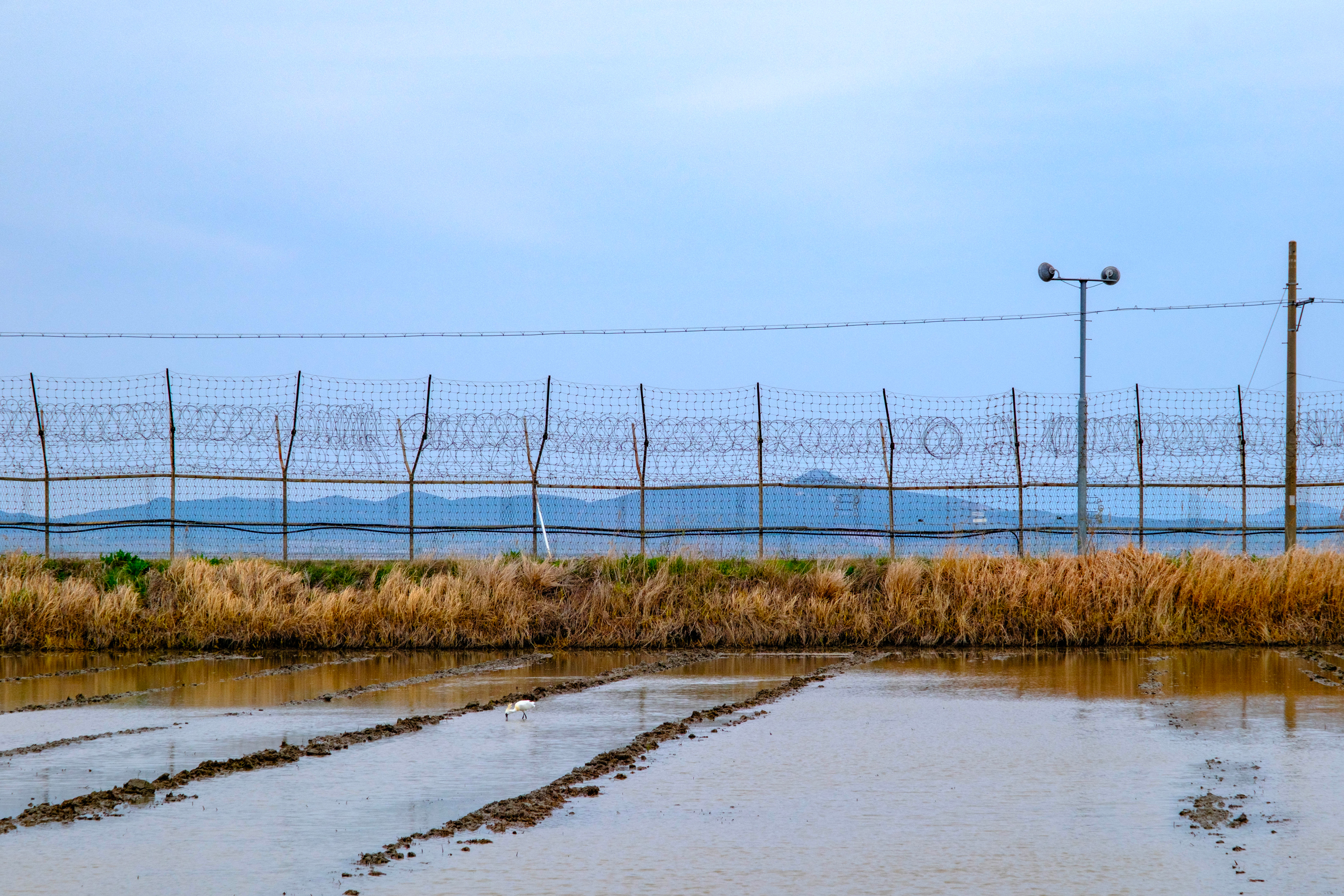
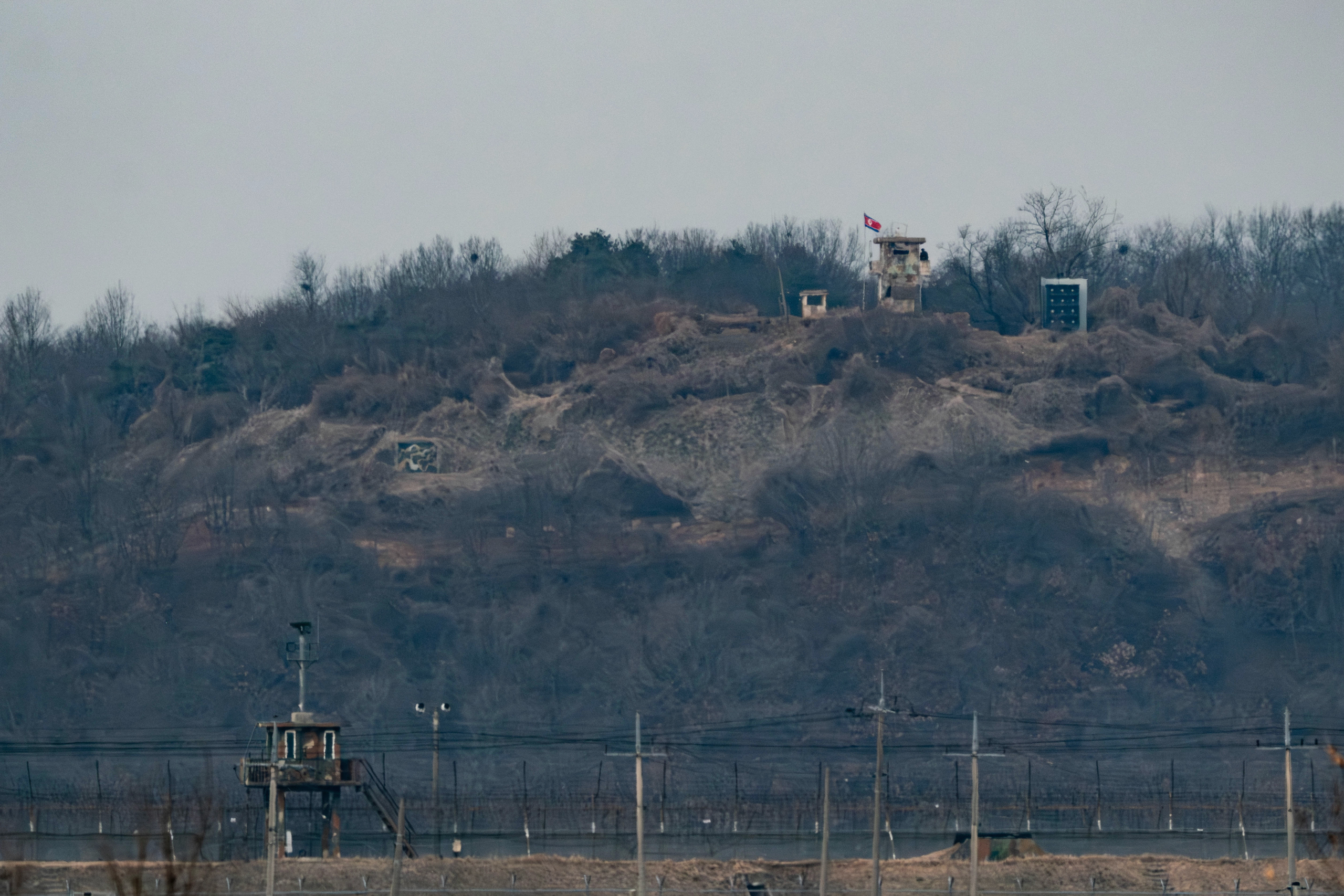
Since 1953, a 248-kilometer scar has disfigured the Korean Peninsula: the Demilitarized Zone (DMZ), whose name is profoundly misleading, as the area is in fact teeming with heavily armed soldiers.
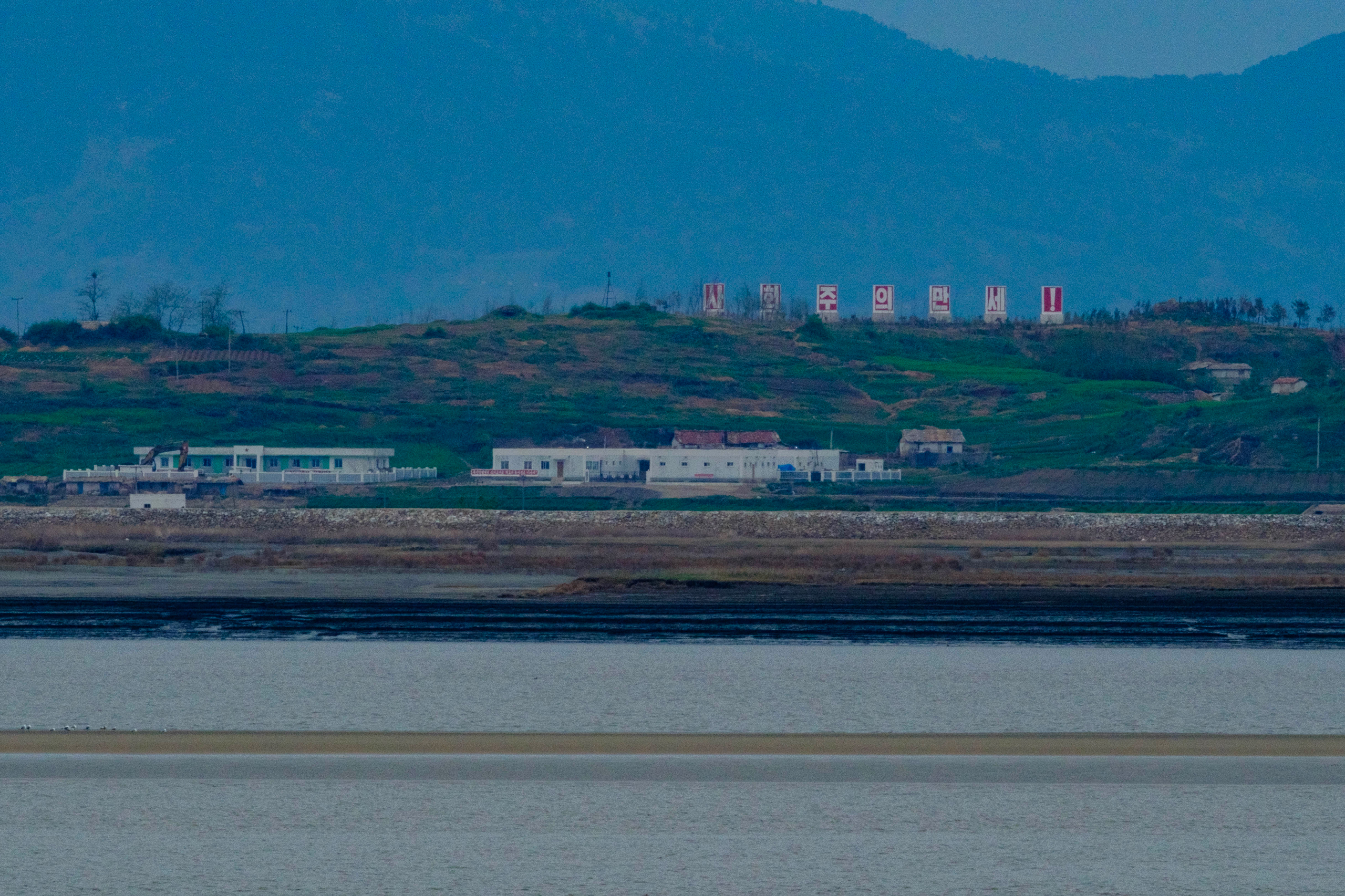
Is the line separating the two Koreas really a border? Only the North, which formally abandoned any prospect of reunification with the South in 2024, uses that term without hesitation. The Armistice Agreement of July 27, 1953, refers instead to the Military Demarcation Line (MDL). It is also the officially preferred term in South Korea, whose Constitution still calls the Peninsula one country. For their part, the South Korean armed forces routinely speak of the “front line,” since the Korean War, in the absence of a peace treaty, is still technically going on.
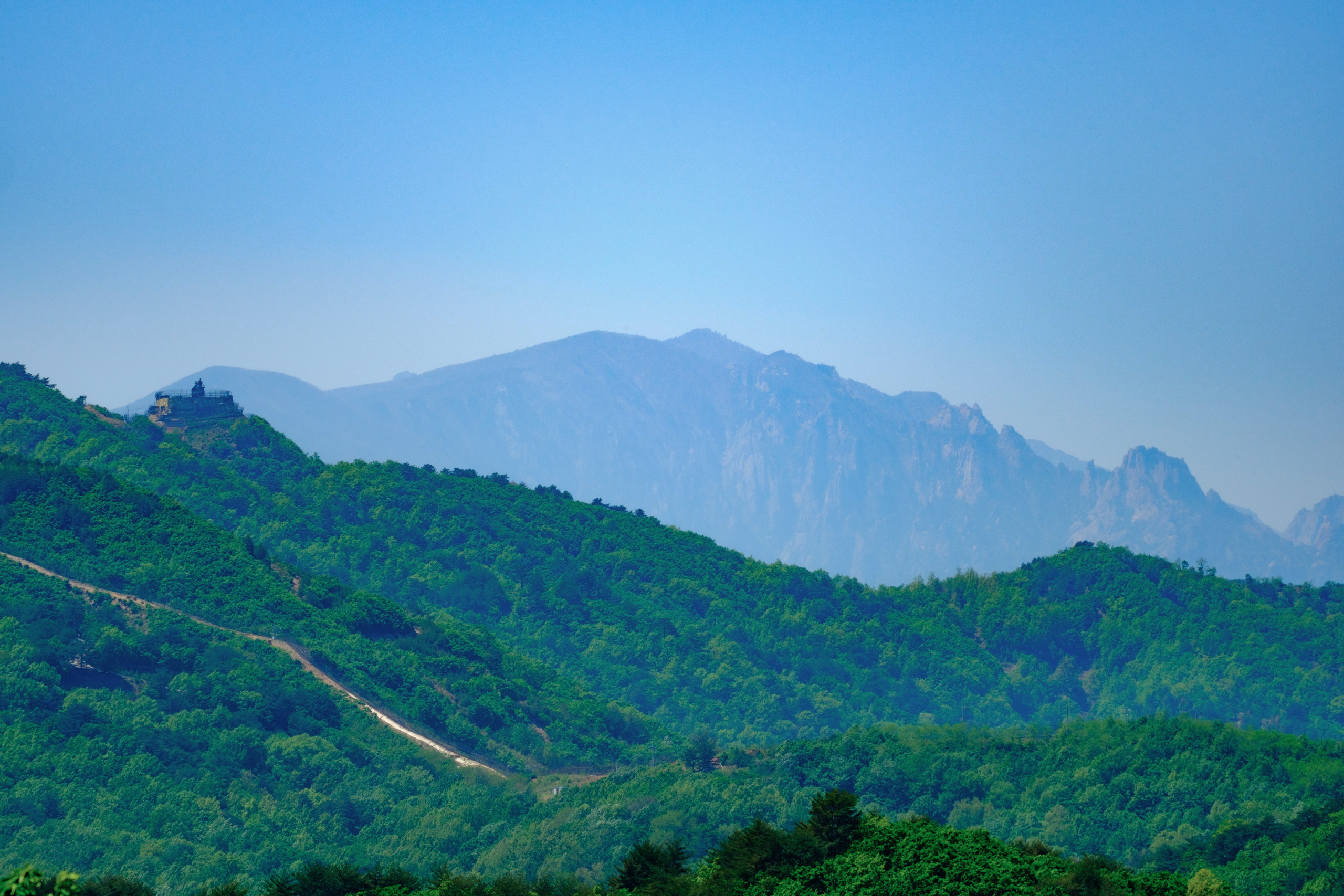
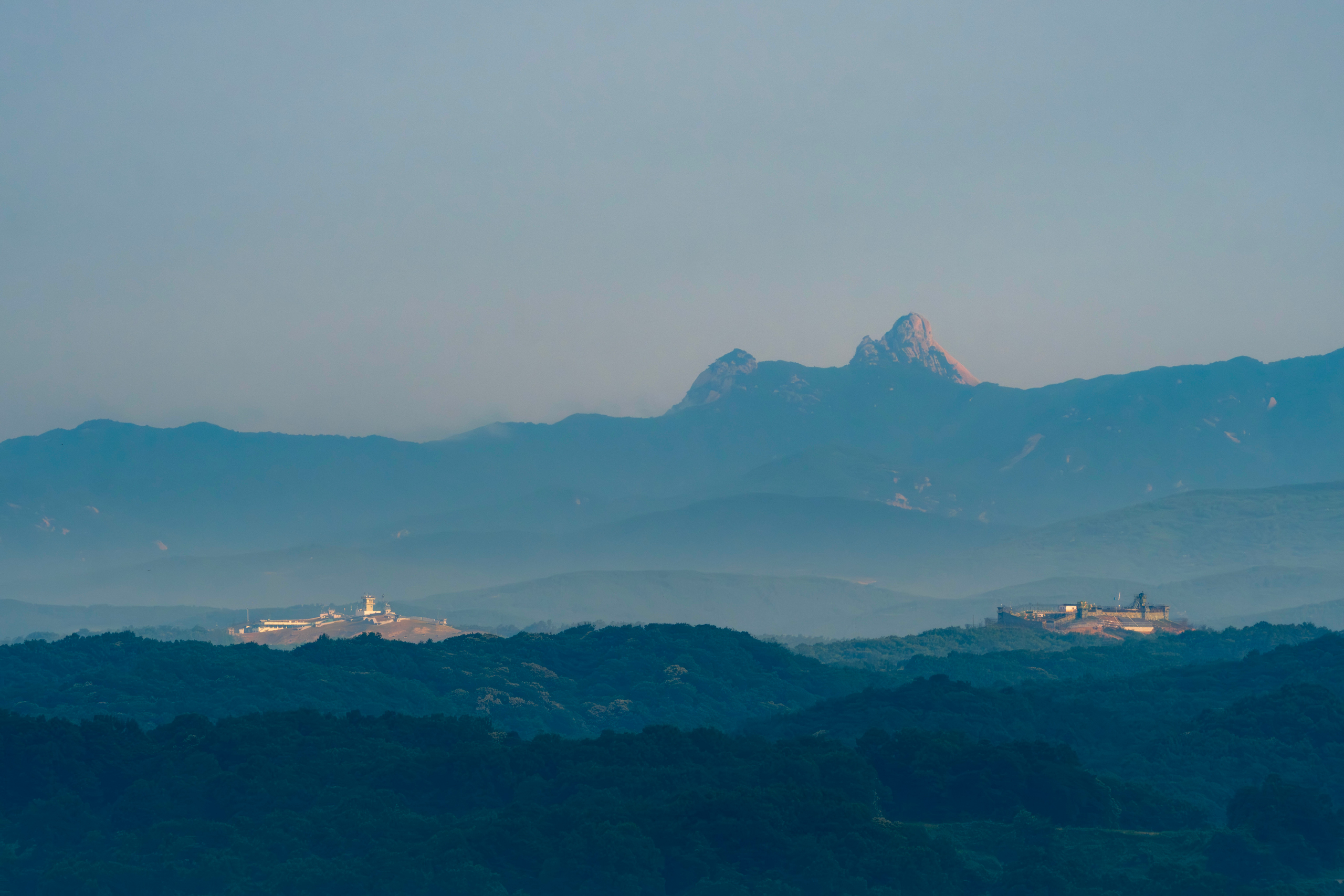
The DMZ is a four-kilometer-wide strip of land bisected by the MDL, which follows the position of the front line on the day the armistice was signed.
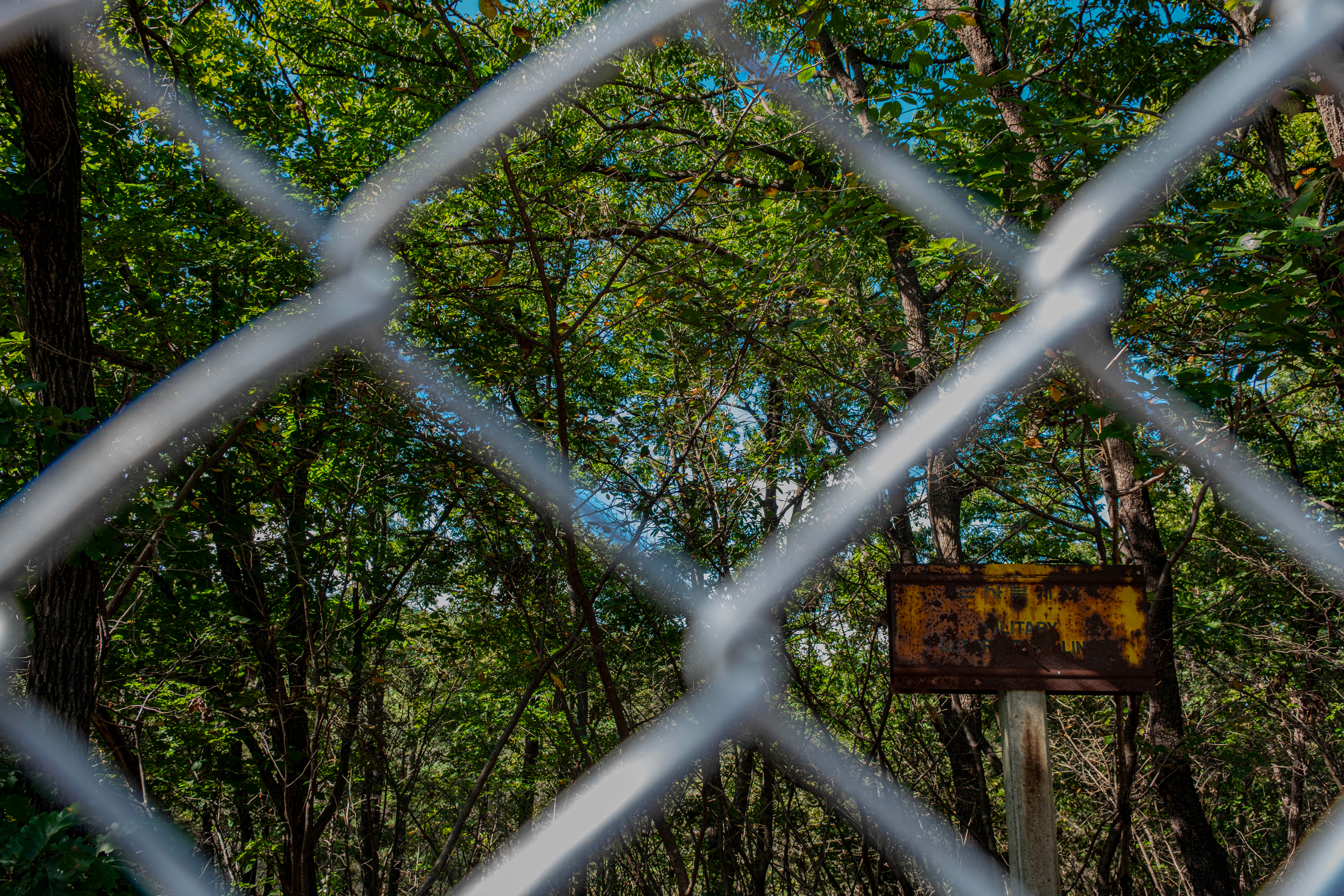
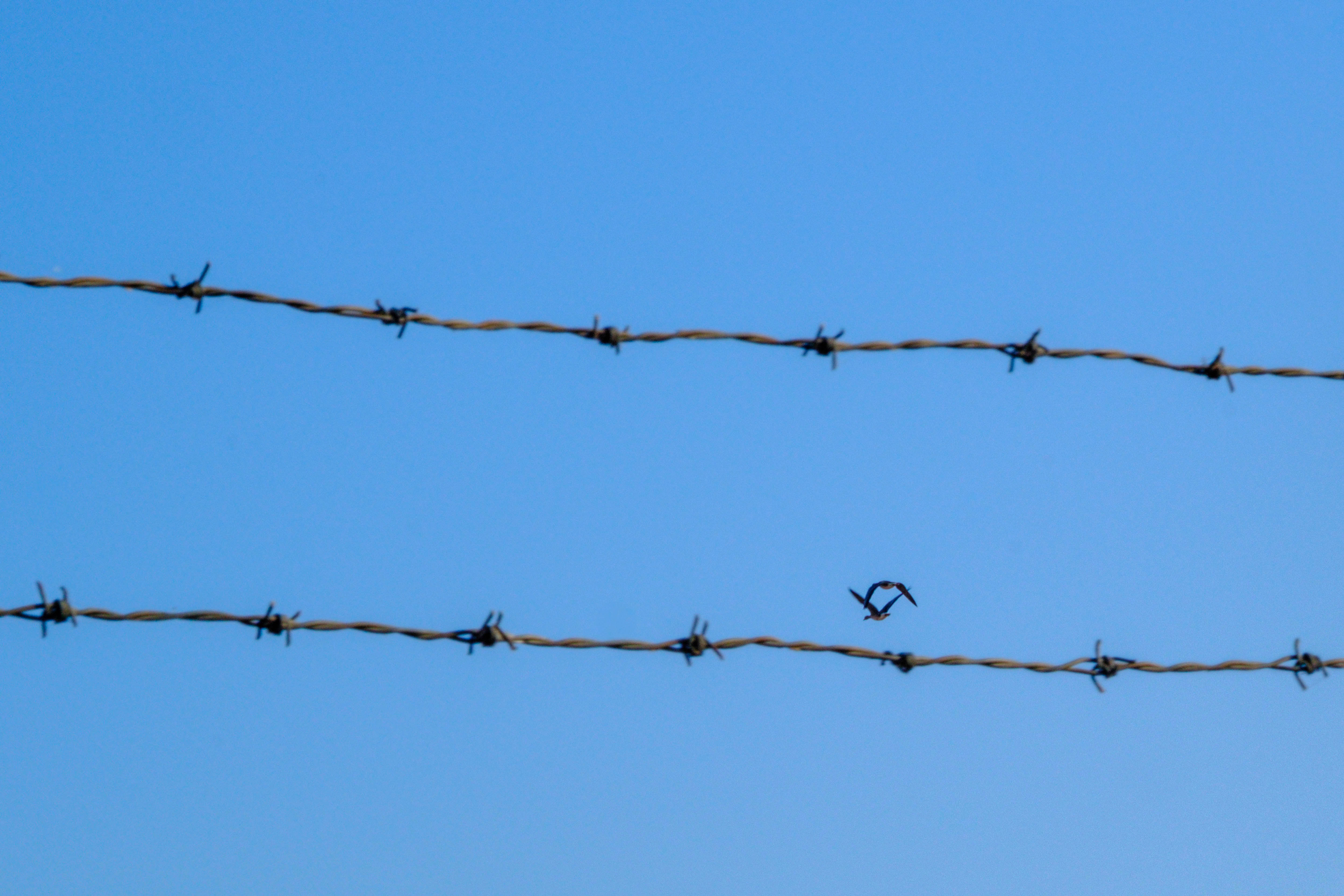
While the southern and northern boundaries of the DMZ are heavily fortified, the MDL itself is marked only by 1,292 rusty signposts. Their southern faces are inscribed in Korean and English, while their northern faces are written in Korean and Chinese. Never maintained and gradually swallowed by vegetation, most of these markers are no longer visible.
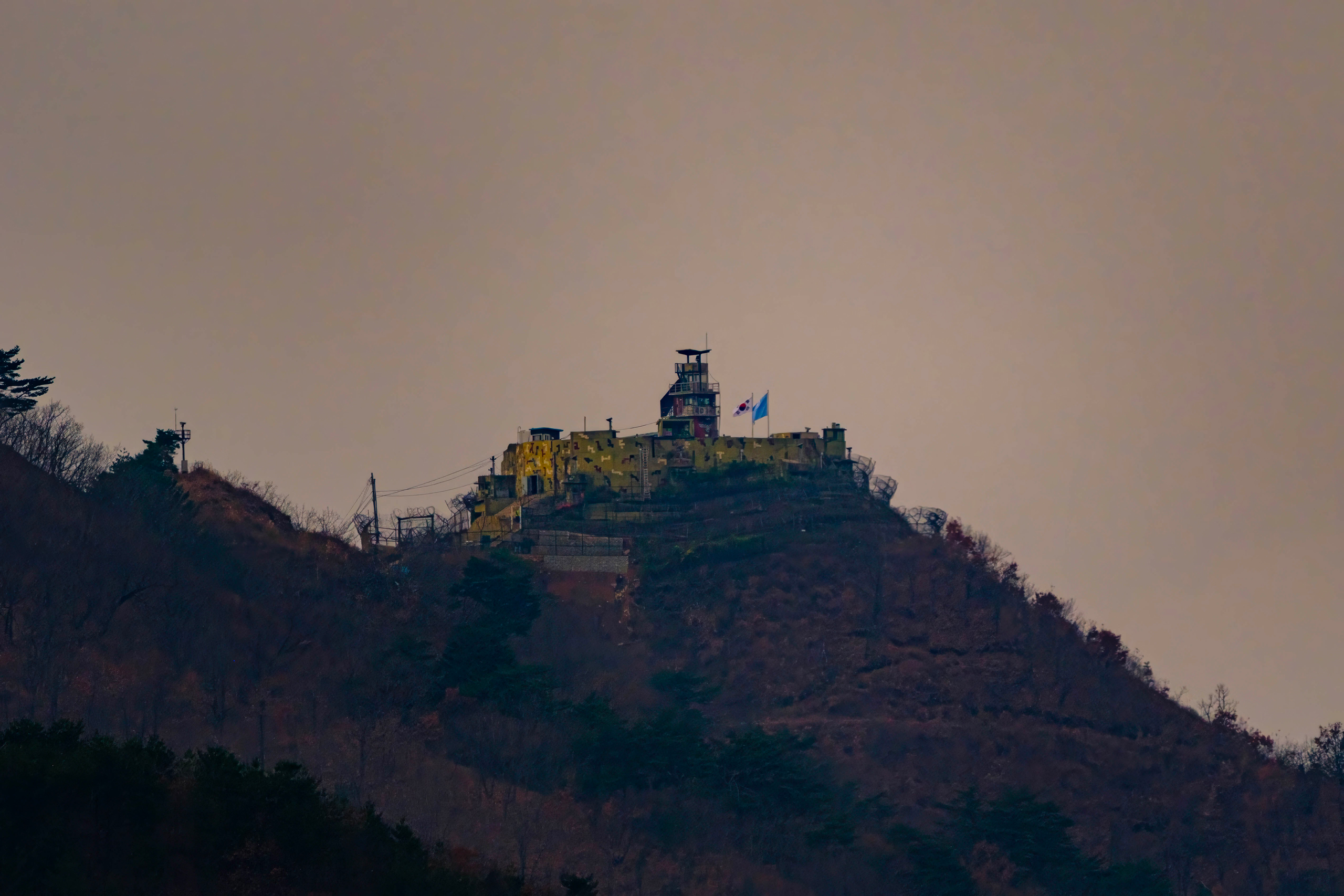
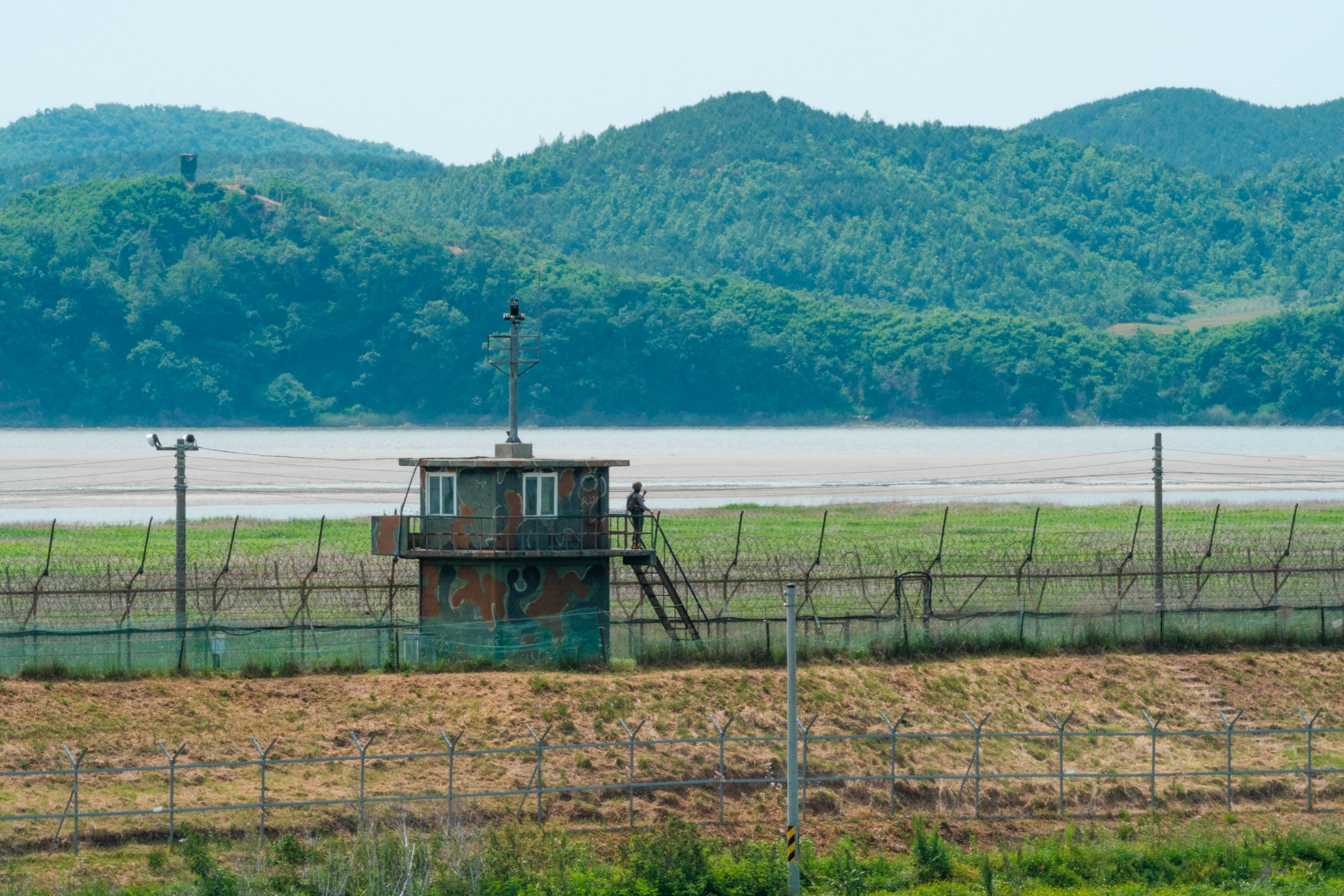
Described as “the scariest place on Earth” by former U.S. President Bill Clinton, the DMZ is patrolled day and night by armed soldiers from both sides. To circumvent an armistice clause that theoretically prohibits their presence there, these troops wear “Military Police” armbands. Because the demarcation line is invisible, the risk of accidental crossings is ever-present. In his 2000 masterpiece Joint Security Area, South Korean filmmaker Park Chan-wook vividly depicts what can happen when enemy patrols unexpectedly come face to face in this bleak no man’s land.
The 1953 Armistice Agreement was signed by the United Nations forces led by the United States on the one hand, and the Democratic People’s Republic of Korea (DPRK) and China on the other. South Korea never signed. As a result, the southern part of the DMZ does not fall under the jurisdiction of Seoul, but is an international buffer zone managed by the United Nations Command (the South Korean soldiers guarding the DMZ do so under its authority).
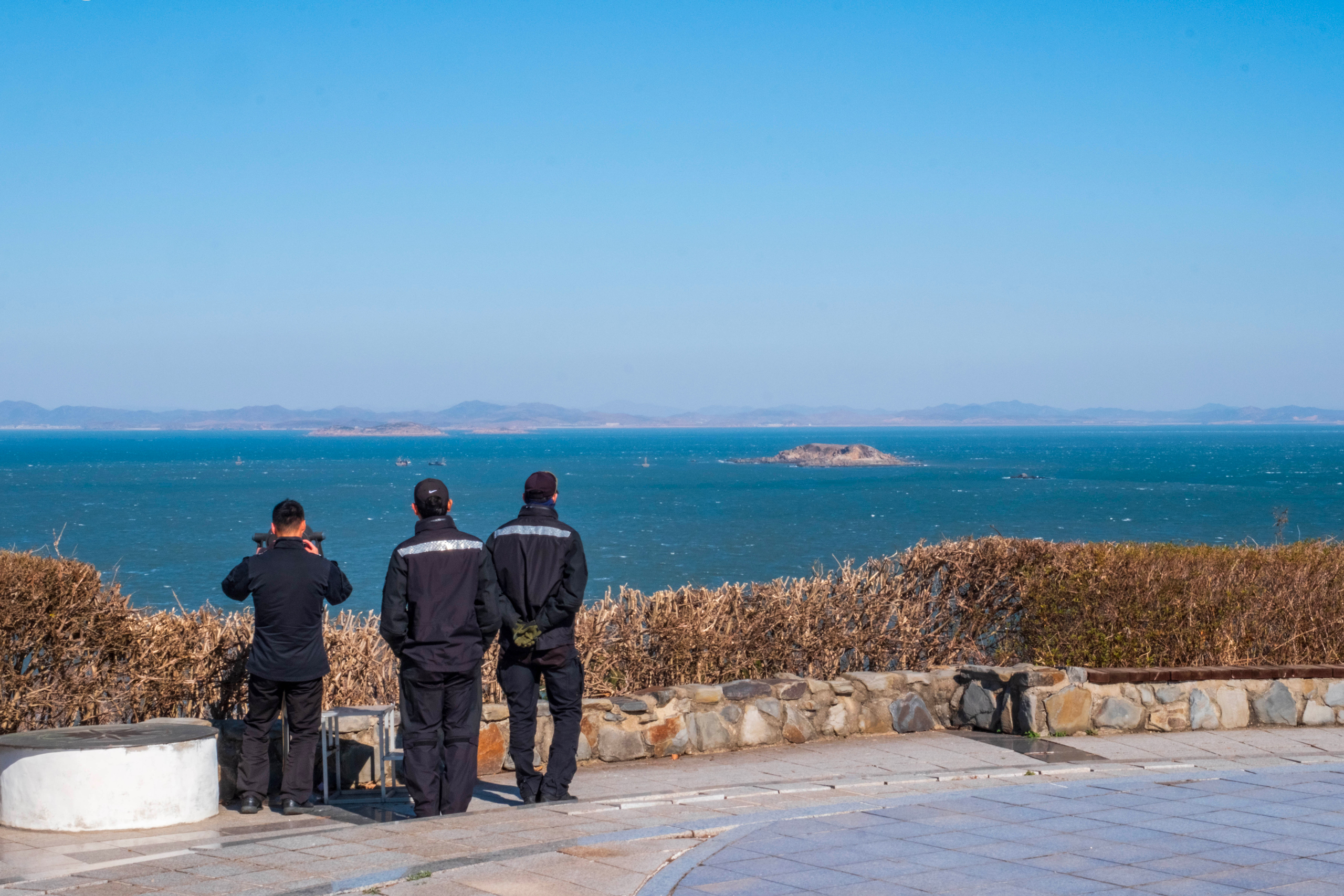
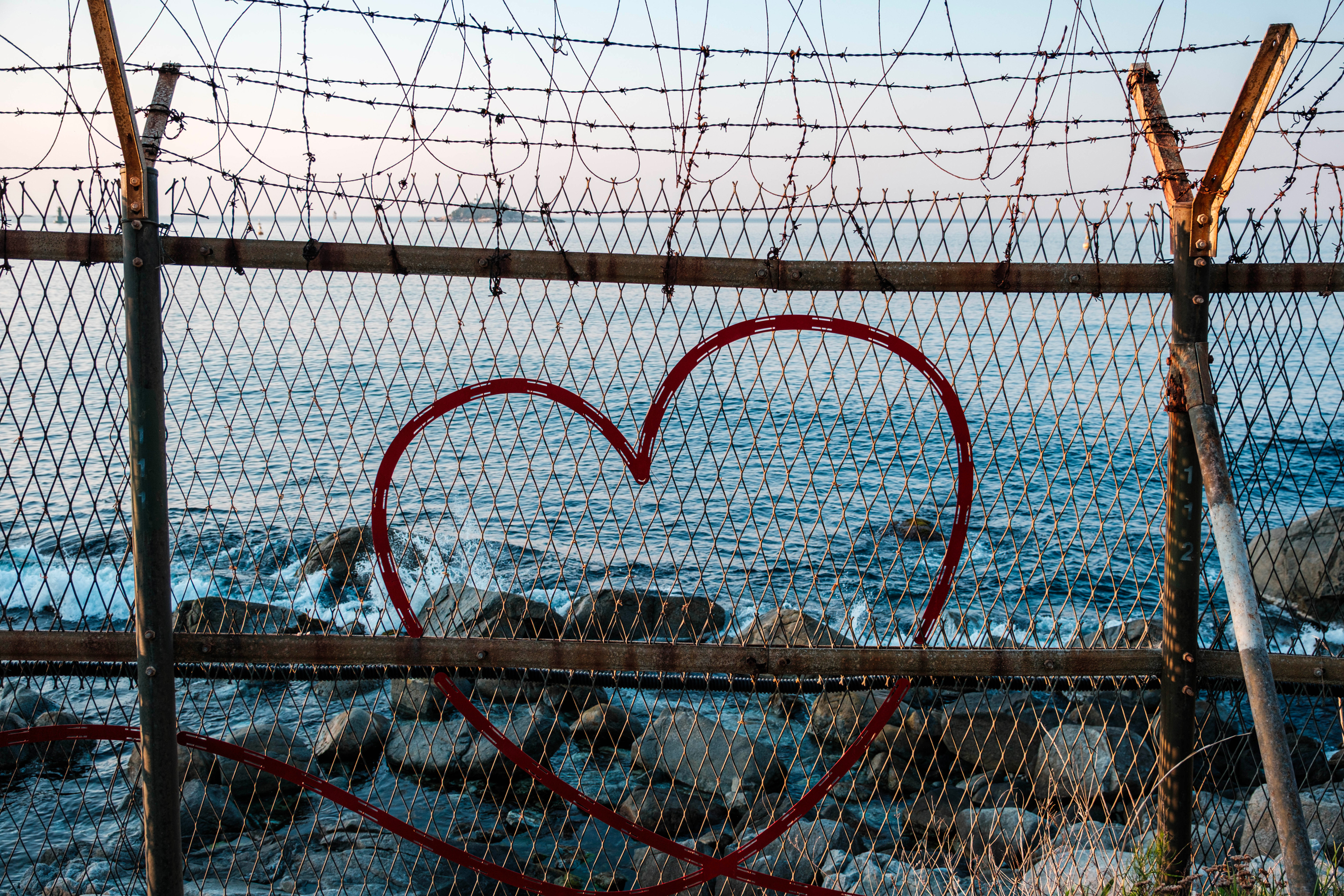
The document codified only the land demarcation line, the DMZ and the 67 km-long “Neutral Zone of the Han River Estuary” northwest of Seoul. The belligerents never succeeded in agreeing on a maritime boundary. It is therefore no surprise that the most serious military confrontations since the end of the Korean War have all occurred around the five islands controlled by South Korea just a stone’s throw from the DPRK in the Yellow Sea.
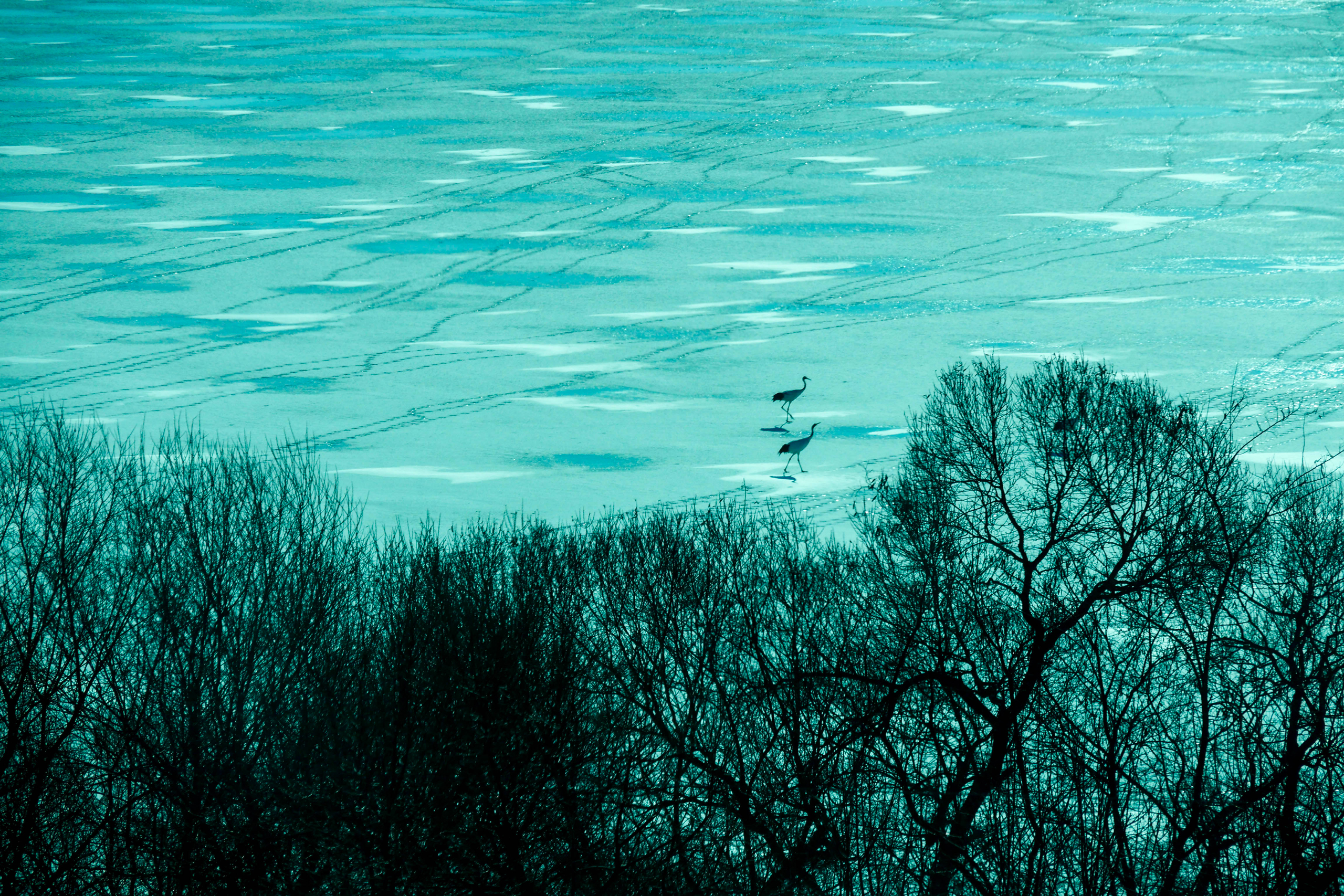
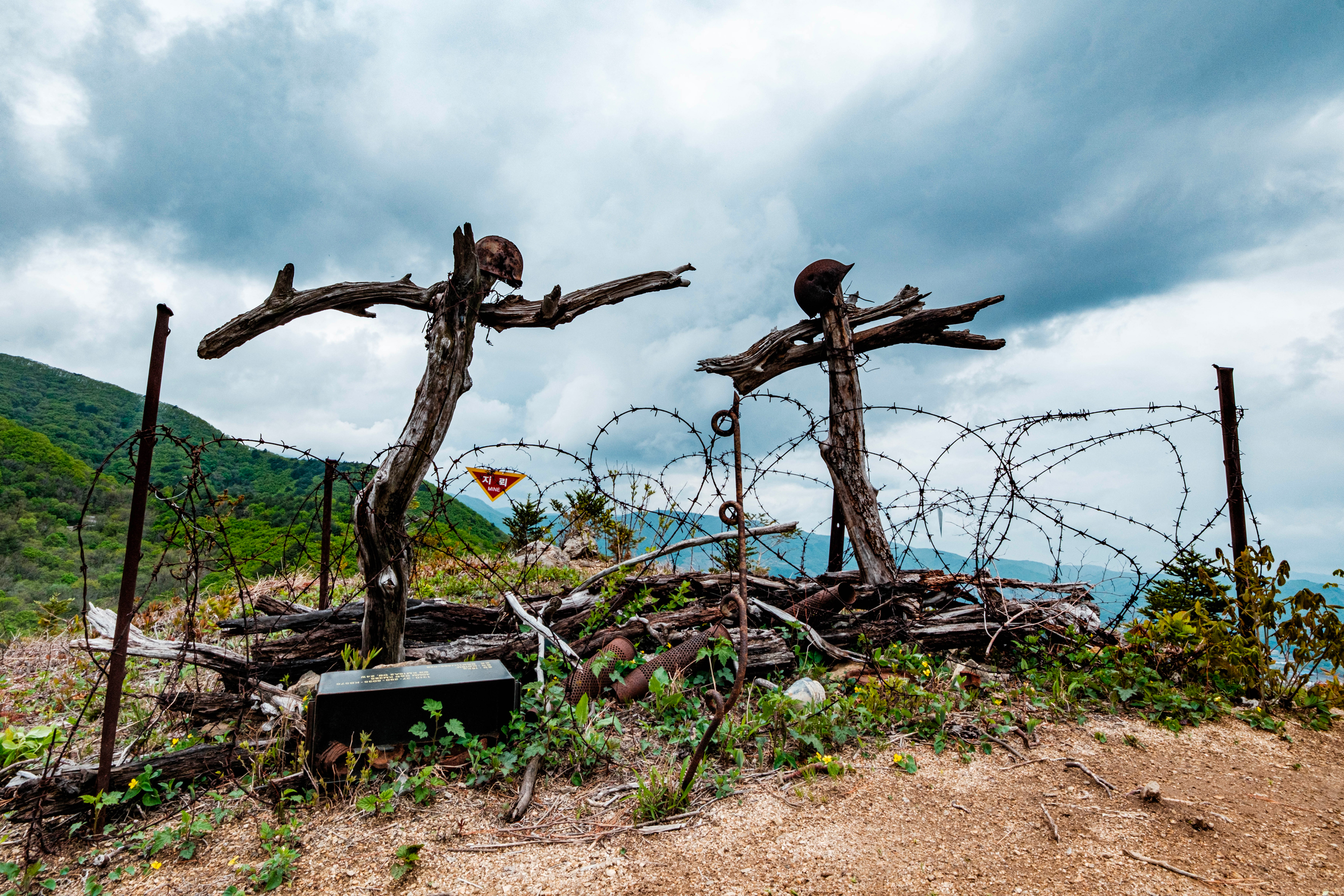
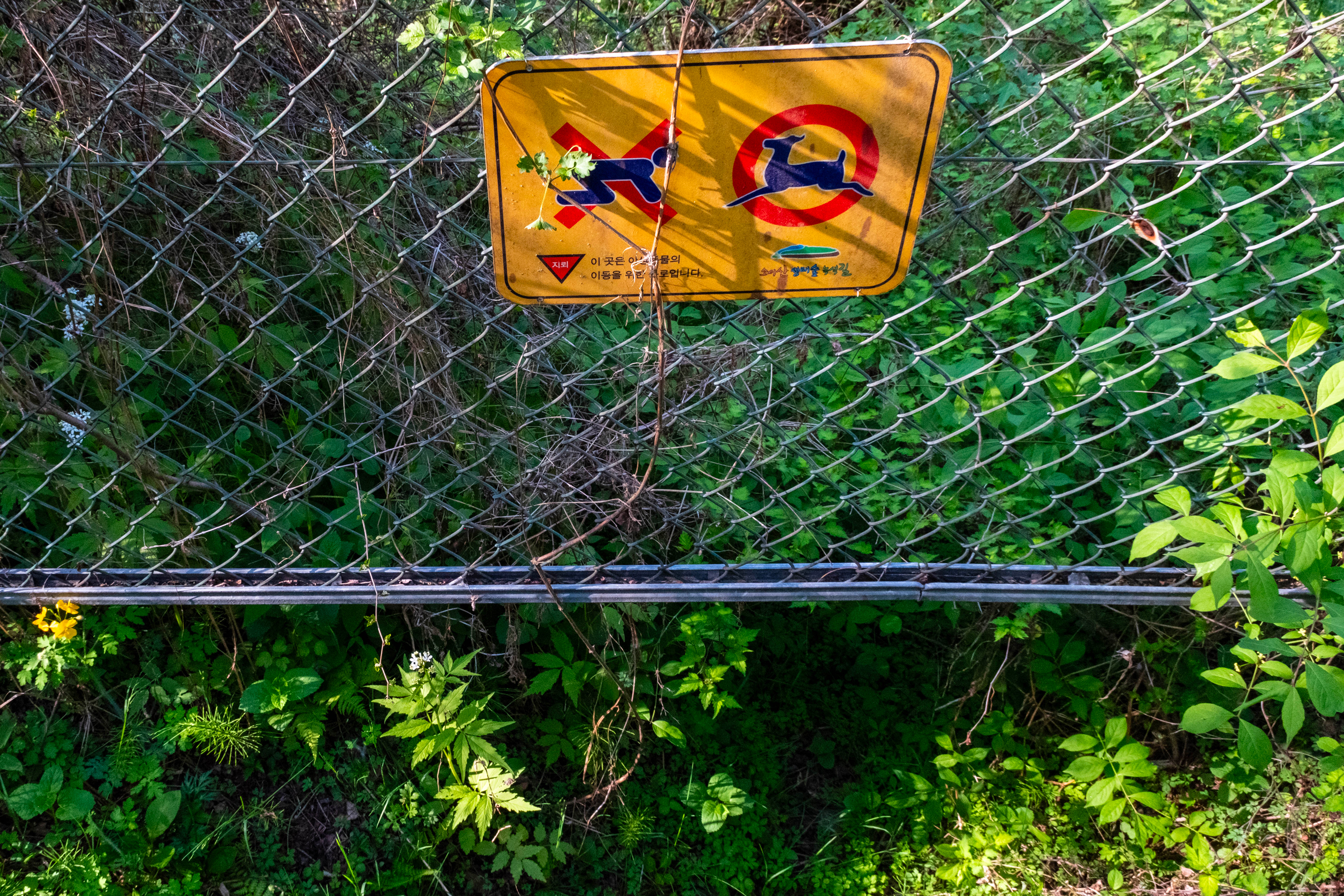
The DMZ and its surrounding areas are also among the most heavily mined regions in the world, as well as a vast mass grave for unknown soldiers from both sides who fell during the Korean War and were never recovered. The official South Korean narrative portrays the area as a natural paradise untouched by human activity for nearly 75 years. It is true that migratory birds, asiatic black bears, mountain goats and deer live there in relative peace. Yet the region is also vulnerable to huge wildfires and lined with impassable barbed-wire fences, and its vast marshlands—never subjected to mosquito-control programs—provide a breeding ground for malaria.
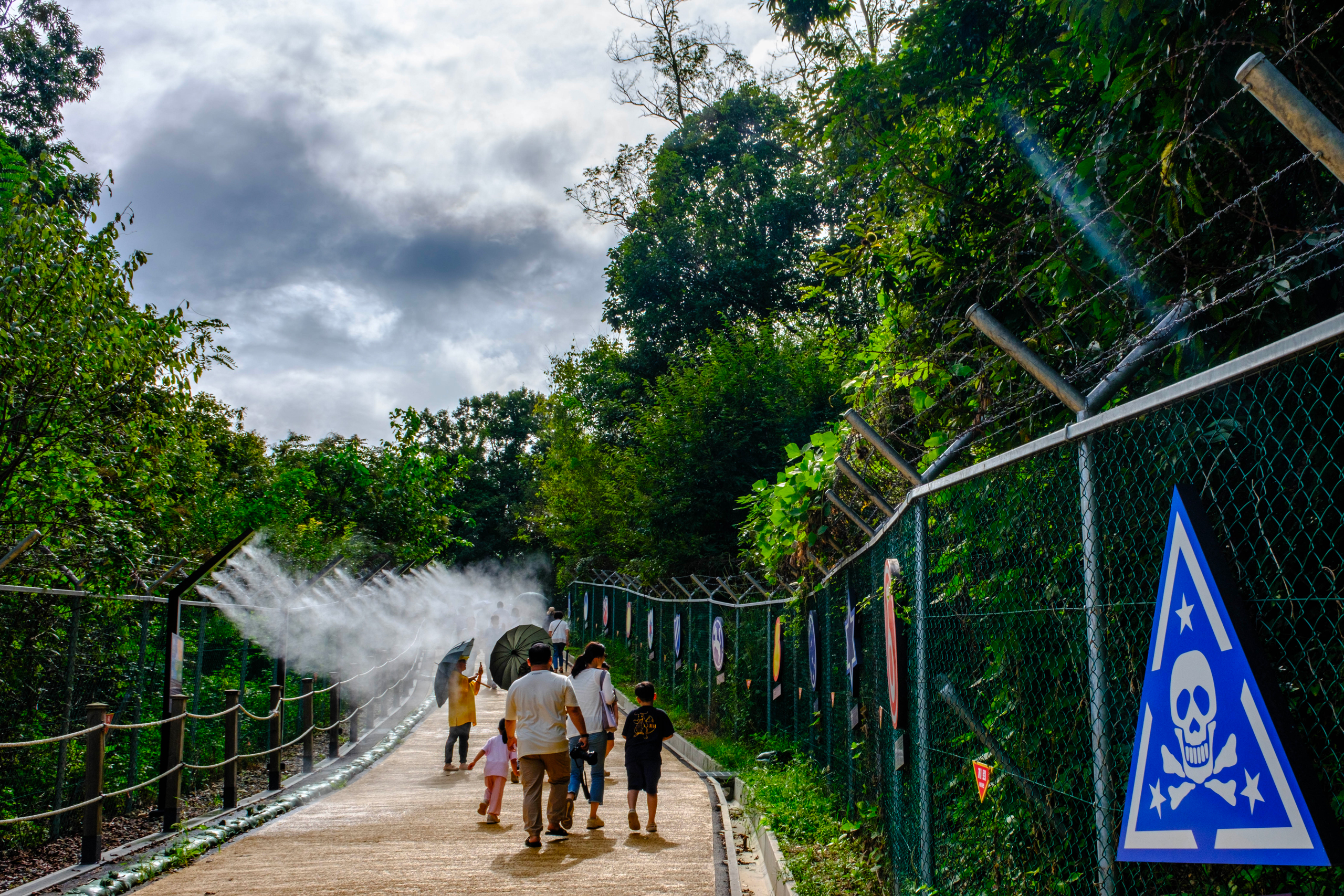
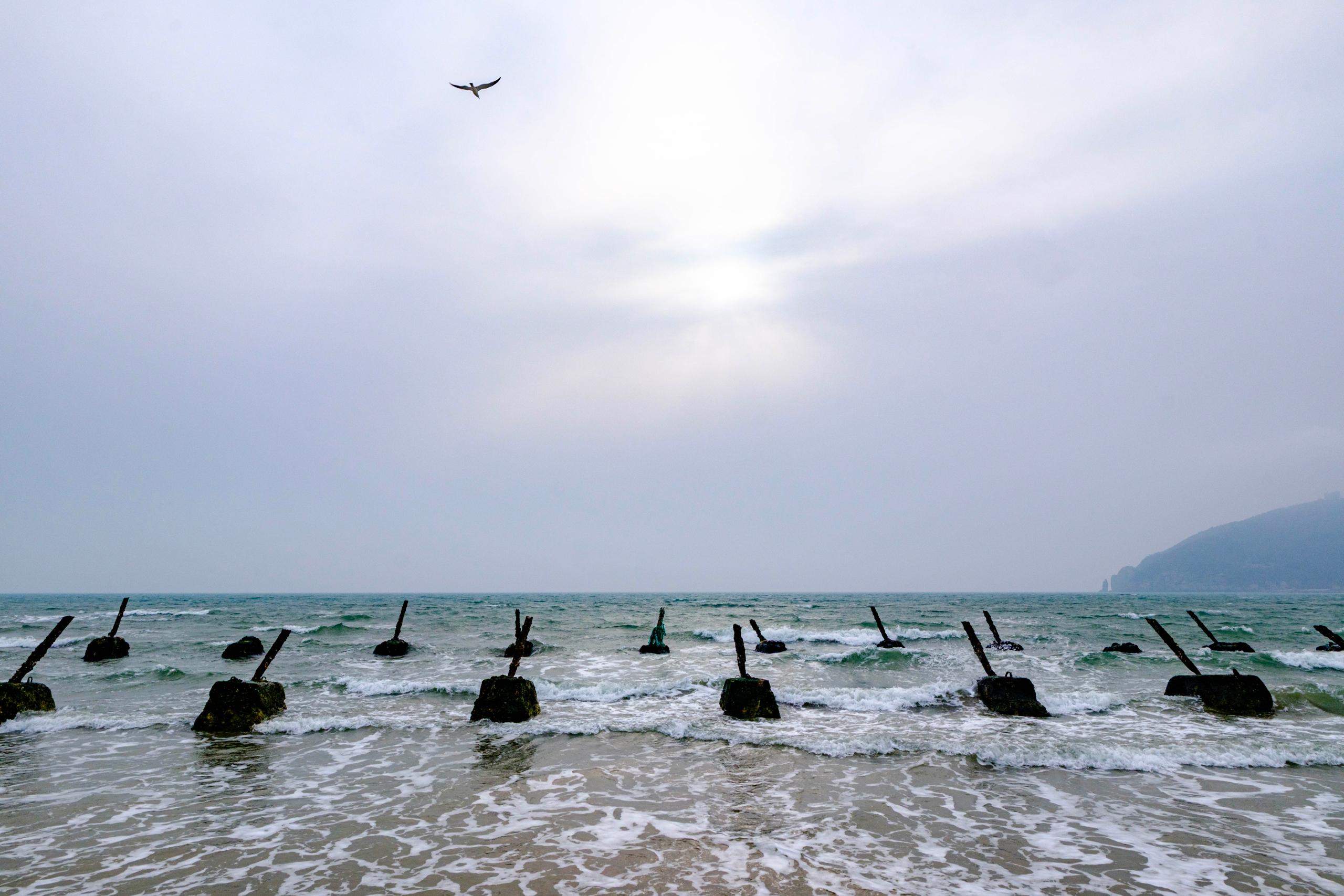
The scar that runs through Korea is much wider than the 4 km of the DMZ. On the southern side, a restricted civilian control zone of varying width runs alongside it. And for miles further south, anti-tank obstacles, bunkers, air-raid shelters, and other defensive structures dot the landscape, including within the greater Seoul area.
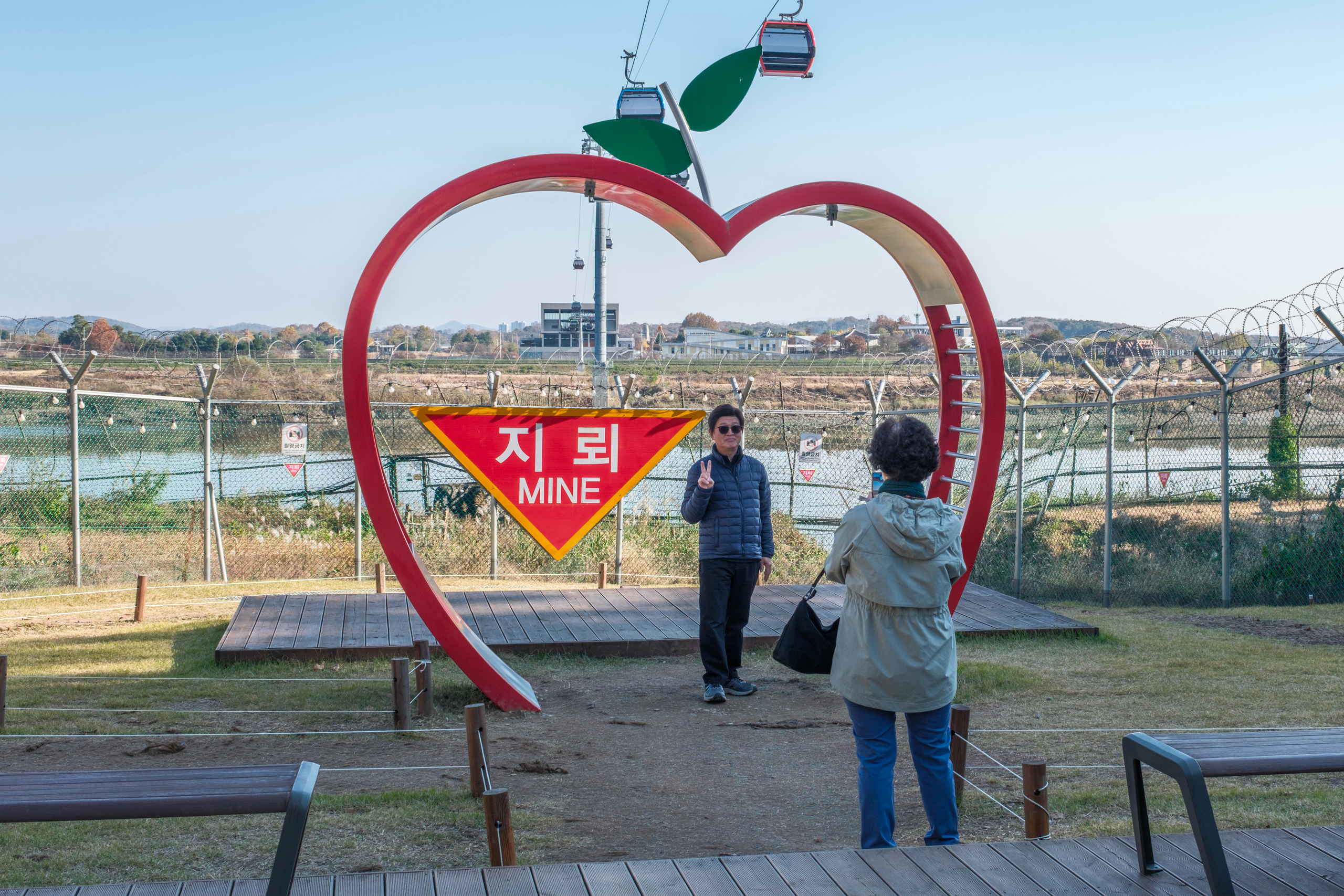
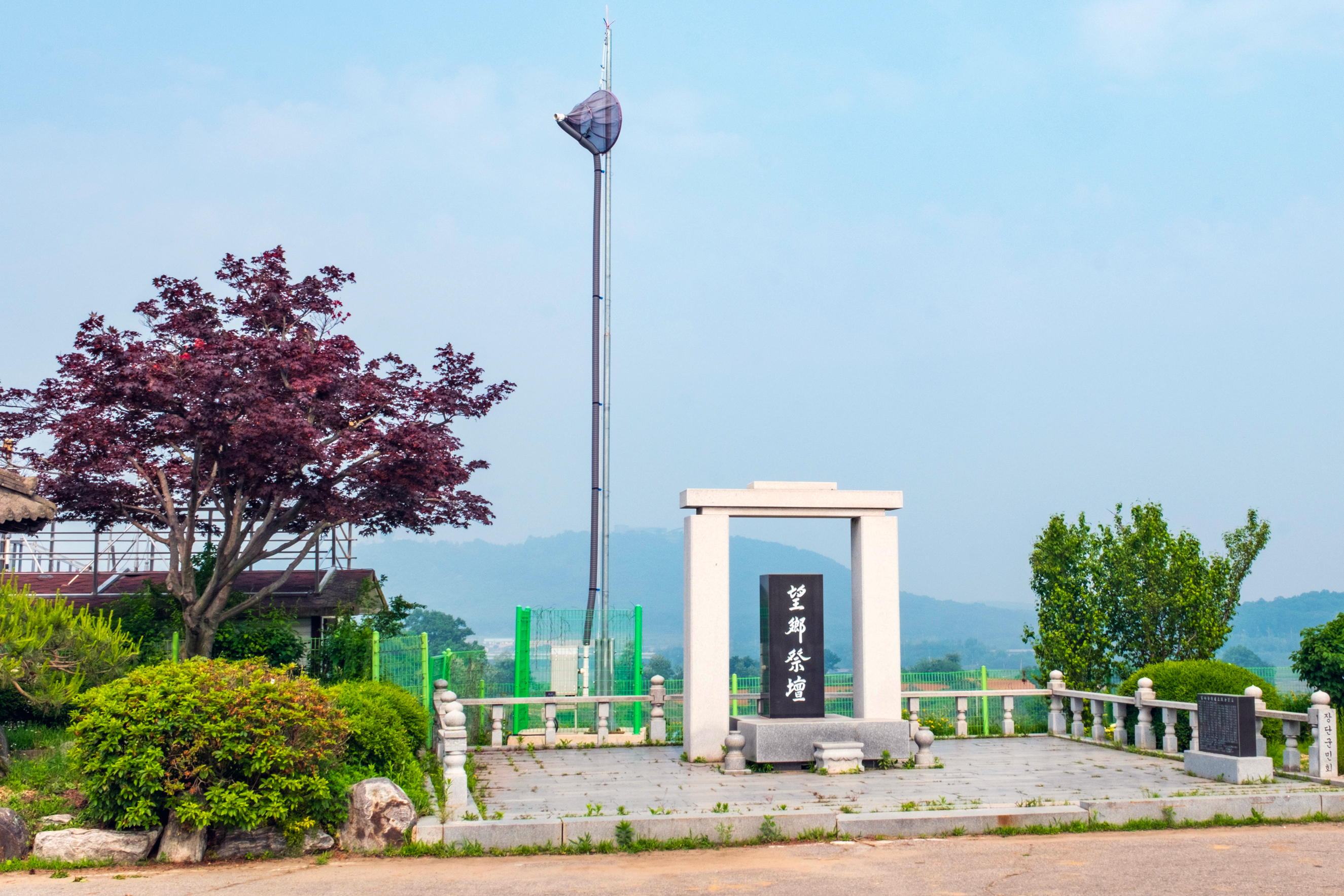
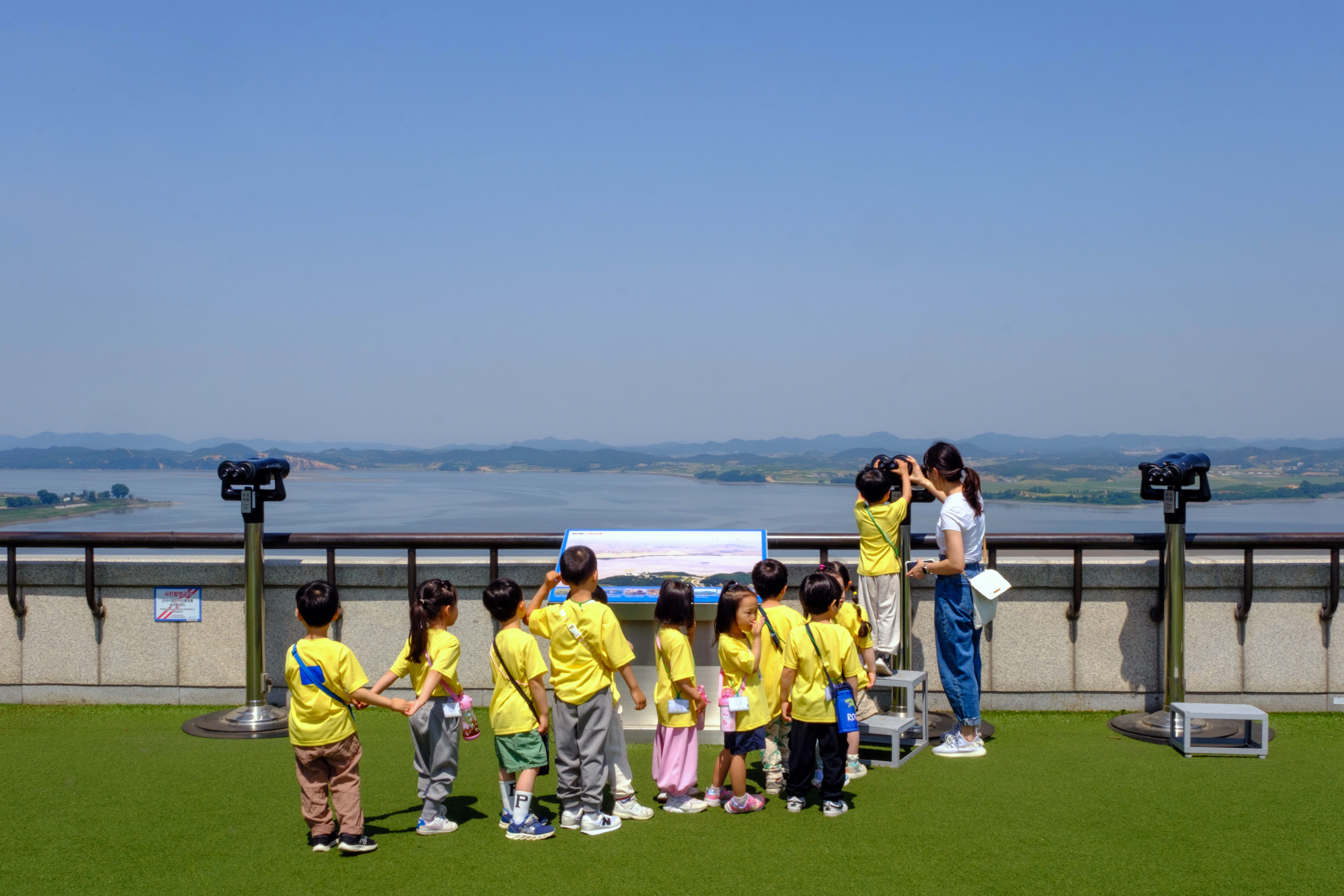
Paradoxically, the DMZ has also become one of South Korea’s leading tourist attractions, drawing several million visitors each year. Of these, 1.2 million visit Imjingak alone, a site near Seoul, where tourists can not only view barbed wire fences and guard towers but also take selfies in front of real minefields.
To the dismay of tour operators, the most spectacular excursions—those that took visitors into the Joint Security Area at Panmunjeom, where they could look North Korean guards straight in the eye and even take a few steps across the border into one of the conference huts straddling the demarcation line—were suspended following the defection of a participant to the North in 2023. The DMZ already had mines, enemies, and infectious diseases. To the nightmares of the troops guarding the last frontier of the Cold War can now be added a new threat: the streamer willing to do anything for views.
Roland de Courson (Madrid, 1970) is a French journalist and a documentary photographer based in Seoul. Since 2022, he has been traveling throughout South Korea’s border regions for a documentary project, K-Scar, which explores the division of the Korean Peninsula.
Click the images to read the captions.