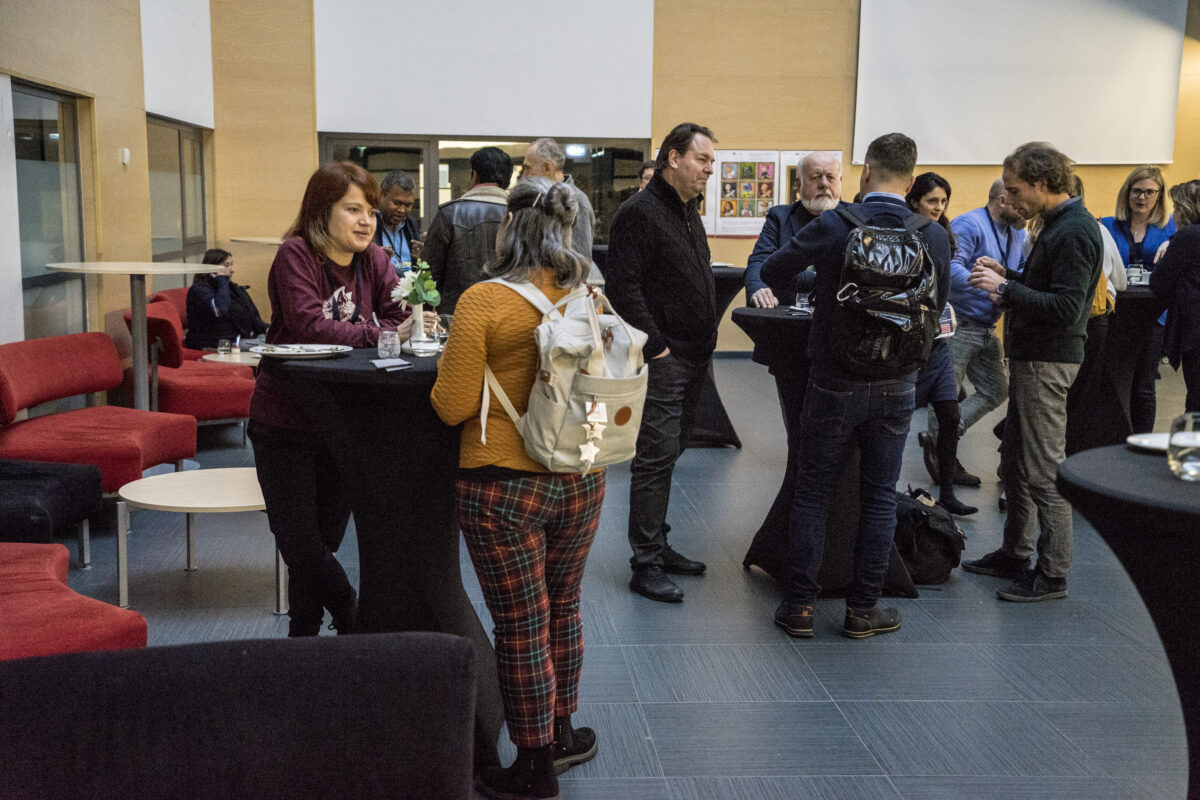
We are growing as a non-binding and non-bound research community of interested scholars and practitioners worldwide who work on, with, or at borders. We are connected through professional interest in advancing particular emerging theoretical approaches to borders and bordering, or through a drive to develop new perspectives and methods for unpacking evolving issues or concerns. We are connected through a belief in drawing intellectual inspiration from diverse approaches and border lens. We always want to hear new insights from the empirical settings we work, or, on the contrary, eager to know how things are the same but different in other regions and contexts.
We want to hear from you, and grow!
For centres, institutions or organizations which research or activities are about borders/bordering
- Let us know if you wish to be enlisted here as a part of the wider Eur-Asian Border Research Community. Please include the following: the name, logo and website of your centre, institution of organization; max 100-word introduction (mission, keywords, research interest or highlights); name and email of a contact.
For individual scholars working on, with or at borders
- You can become visible through writing a blog or contributing a photo essay, share any teaching tools or links to other resources, eg films, but also to any international events that you are organizing.
Blogs and photo essays
While we occasionally announce calls for new essay or photo essay contests on specific themes, we accept research blog posts and essays on a regular basis. We do not have a strict style guide or template for this format but we recommend to browse our website for the style of presentation. Research blog posts should be between 500-1500 words in length and will go through an anonymous peer-review by members of the Eur-Asian Border Research Community, selected by the TLU Lab team. HERE are further guidelines for the Blog posts and photo essays.
Eur-Asian Border Lab Community
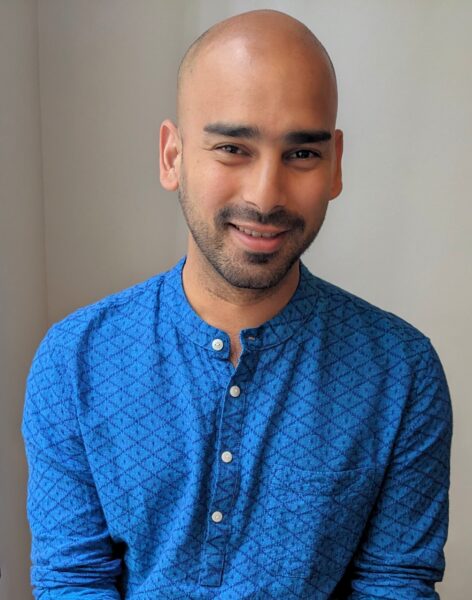
Aditya Kiran Kakati
I hold a PhD in International History and Anthropology from the Graduate Institute, Geneva. My research is supported by the Wenner Gren Foundation for a monograph on WWII and its impact on borders and governance in the Indo-Myanmar highlands, and by the Delta on the Move Foundation for work on war memories and objects in Eastern Nagaland-Myanmar borders. I lead Research Programmes and Global Engagement at The Highland Institute, Kohima. I am an Associate Editor of The Highlander Journal, co-editor of the Global Health Matters blog and co-founder, Healing Through Humanity Network. I previously taught at the University of Groningen.
More information
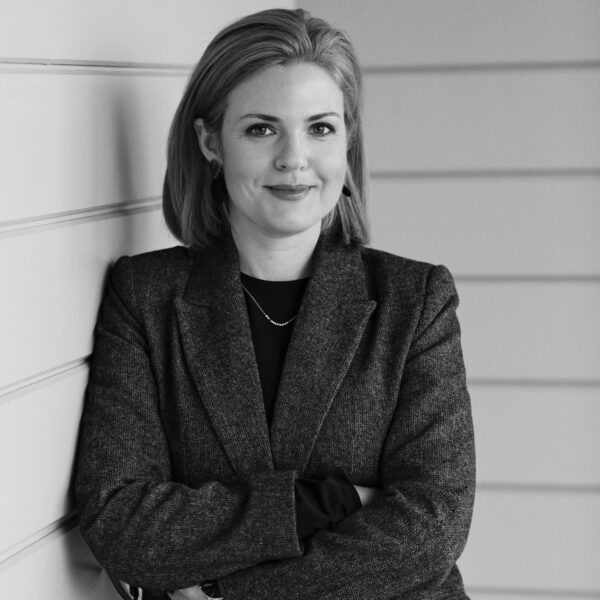
Aleksandra Ancite-Jepifánova
Dr Aleksandra Ancite-Jepifánova is an interdisciplinary legal scholar specialising in migration and asylum. She holds a PhD in Law from Queen Mary University of London and is a FFVT Fellow at the Bonn International Centre for Conflict Studies (BICC). She is also affiliated with the Refugee Law Initiative, University of London, and Central European University. Her work combines legal analysis and field research across the UK, Germany, Eastern Europe, and the Middle East. Her research currently focuses on the concept of migrant instrumentalisation at the EU’s eastern borders and the links between genocide, displacement, and asylum, particularly the Yezidi genocide.
More information: https://rli.sas.ac.uk/people/dr-aleksandra-ancite-jepifanova
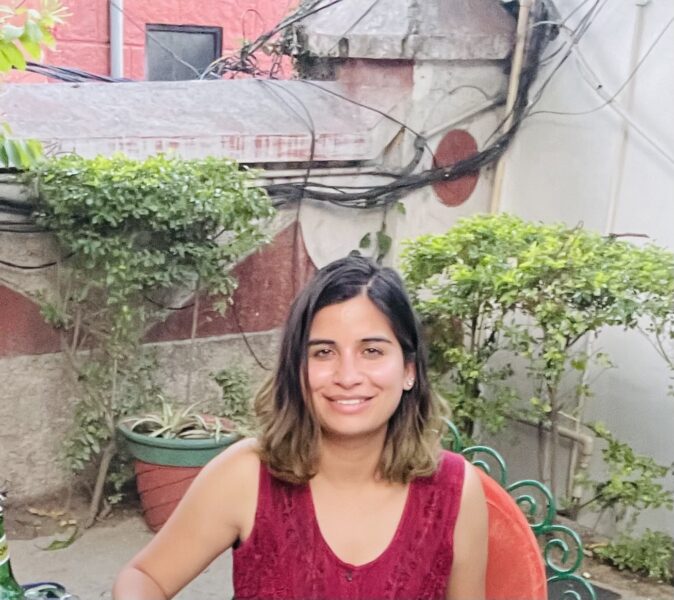
Archana Pathak
Archana is a PhD Candidate in the School of Humanities and Social Sciences, Indian Institute of Technology, Mandi, India. Her research interests lie at the intersection of Anthropology of Infrastructure and Borderlands Studies.
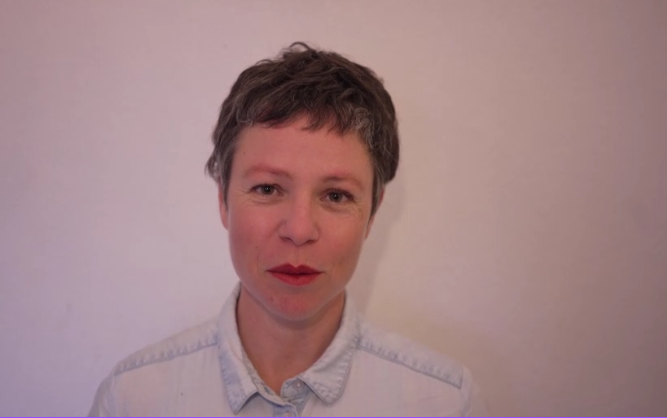
Claire Galloni d’Istria
PostDoc, UNIGE
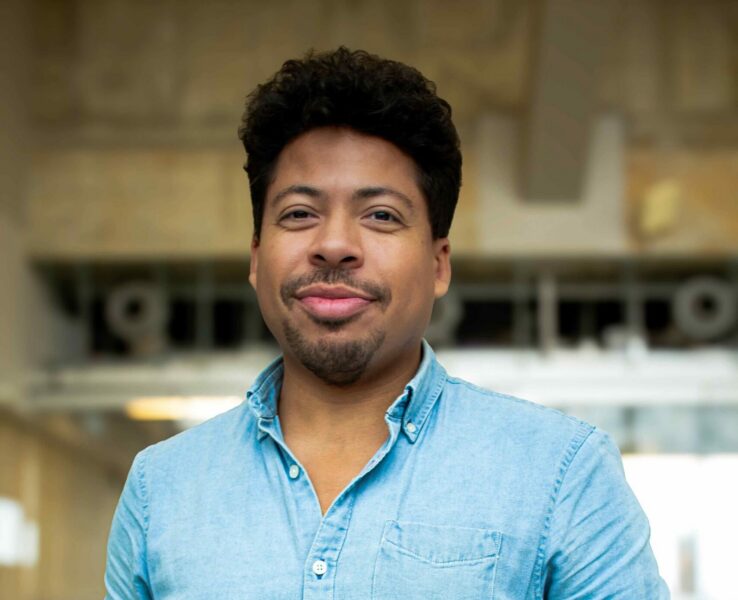
David Faber-Feenstra
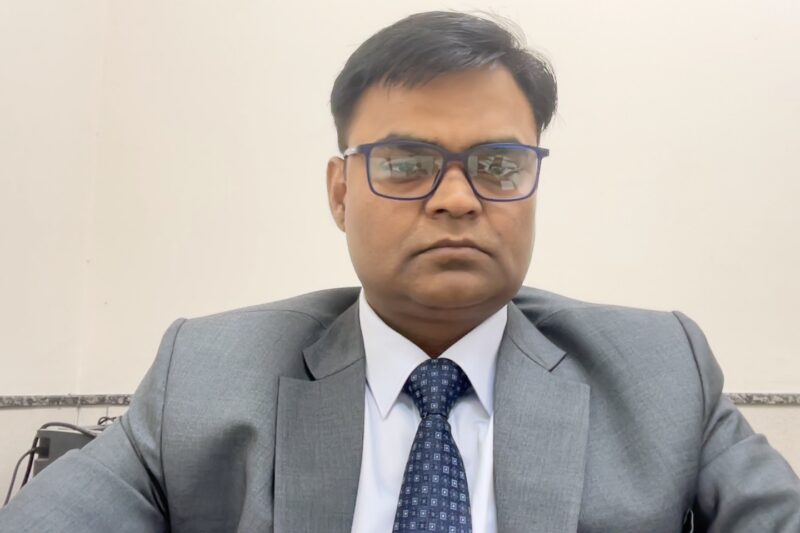
Dhananjay Tripathi
Interested in South Asian Border Studies, Border Theories, Critical International Relations, Regional Integration
More information: https://sau.int/faculty/dhananjay-tripathi/
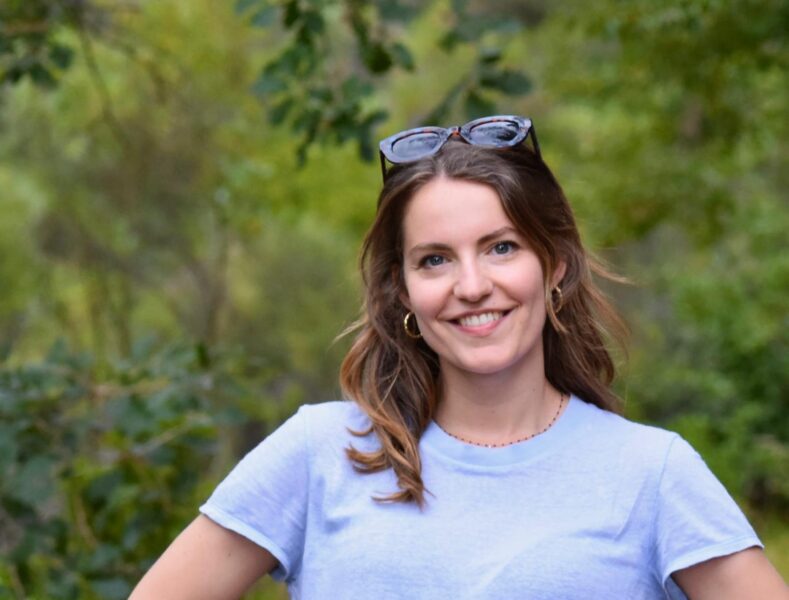
Elisa Sisto
Elisa Sisto is a doctoral candidate in International Development at the University of Oxford. Her research examines practices of surveillance, solidarity, and humanitarianism at the Alpine and Pyrenean borderlands. She holds an MSc in Refugee and Forced Migration Studies from the University of Oxford, and a dual BA in Human Rights and Political Science from Sciences Po and Columbia University. Engaging with the Eur-Asian Border Lab community in Estonia and Kyrgyzstan was a highlight of her doctoral experience, and Elisa welcomes the opportunity for continued collaboration across regions and disciplines, particularly around bordering, landscape, and migration.
Fauzan Fauzan
Dr. Fauzan is a lecturer in International Relations at Universitas Pembangunan Nasional “Veteran” Yogyakarta, Indonesia. His research focuses on governance, security, and the lived experiences of borderlands in Southeast Asia, particularly emphasizing border governance, sovereignty, securitization, maritime border security, and informal cross-border practices. By integrating insights from International Relations, border studies, and security studies, he combines academic research with policy engagement to contribute to broader discussions on borderlands, mobility, and governance in the Global South.
More information: https://www.linkedin.com/in/fauzan-phd
Hilmi Ulas
My research focuses on unrecognized states, with an approach that synthesizes peace and border studies.
More information: https://chapman.academia.edu/HilmiUlas https://www.linkedin.com/in/hilmi-ulas-97739321/
Joel Christoph
Joel Christoph is an economist and policy researcher working on how borders and bordering shape digital sovereignty, data governance, compute infrastructure, and regional cooperation across Europe and Asia. His research sits at the intersection of political economy, technology governance, and geoeconomics, with recent work on ASEAN digital governance, cross-border AI regulation, and middle-power strategy. He is especially interested in virtual, volumetric, and regulatory borders, and in how technological systems reshape sovereignty, mobility, and state capacity.
More information:
https://www.linkedin.com/in/joelchristoph/
John Buchanan
John A. Buchanan is an independent scholar based in Thailand. He was previously a researcher at Tallinn University and a founding member of the Eur-Asian Border Lab. His research investigates the intersections of conflict, state formation, and resource flows, with a regional focus on Mainland Southeast Asia. His publications include the monograph Militias in Myanmar (2016) and a recent book chapter, “The Politics of Criminality: The State, Opium, and Armed Groups in Burma,” in an edited volume (Gutiérrez Danton and Gutiérrez Sanín, Manchester University Press, 2025).
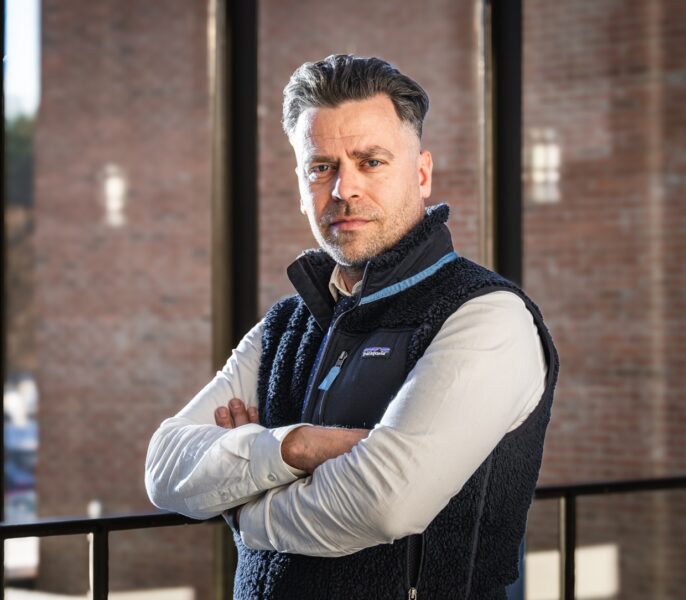
Jussi P. Laine
Dr Jussi P. Laine’s research focuses on the multidisciplinary study of borders, combining human geography with international relations, geopolitics, political sociology, and anthropology. He examines the multiscalar production of borders and their links to statehood, territory, citizenship, and identity. His work addresses borderland resilience and comprehensive security, analysing how regions respond to geopolitical change, migration, and hybrid threats. His recent research explores border mobility, migration, the ethics of borders, and questions of ontological (in)security.
More information: https://uefconnect.uef.fi/en/jussi.laine/
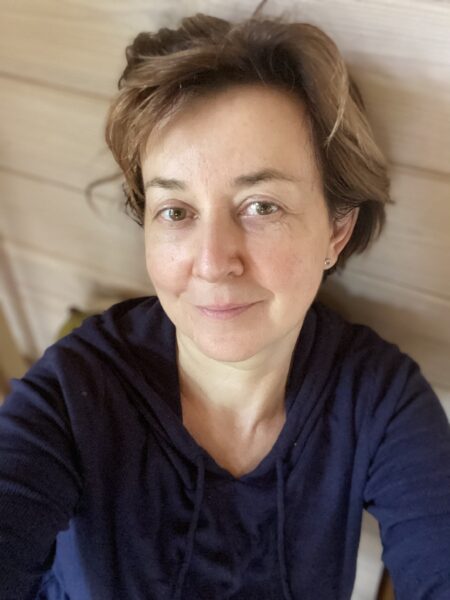
Justyna Straczuk
With over two decades of ethnographic research on the Polish-Belarusian-Lithuanian border-land, my scholarship bridges anthropology, sociology, and border studies. I have published widely on borderland multilingualism, religious and cultural diversity, emotions and food prac-tices. My current work investigates the migration policy crisis at the Polish-Belarusian border. Drawing on posthumanist perspective, I examine how mobility, border regimes and securitisa-tion practices are co-shaped by the agency of the natural environment, and explore how adopting a more-than-human approach can enrich our understanding of borders, migration, and political subjectivity.
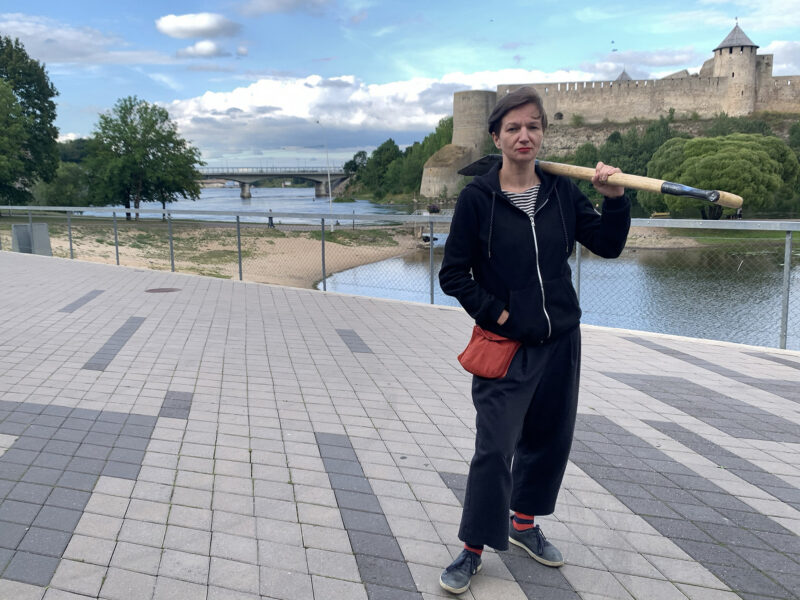
Maria Kapajeva
Maria Kapajeva (she/her) is an artist working and exhibiting internationally. Through her practice, she engages borderlands as a site of identity and gender, foregrounding lives shaped by transition and displacement, and bringing peripheral stories to the centre. Kapajeva’s multidisciplinary practice spans found and vernacular photography, video installation, textile and embroidery, and participatory work. She is currently a recipient of a three-year artist salary from the Estonian Ministry of Culture and is completing a practice-based PhD at the Estonian Academy of Arts. Her research asserts border positionality as a method, developed and tested through artistic practice.
More information: https://www.mariakapajeva.com/

Melanie Vandenhelsken
I am an anthropologist whose research has long examined the construction of identity, ethnicity and indigeneity through interactions between state agents and local communities. Focusing on the border region between Sikkim in the eastern Indian Himalaya and Nepal, today, I explore how borderland peoples’ spatial practices and representations engage with processes of bordering. My research examines more particularly the construction of space in the shamanic practices of Limbu borderland communities and how these contribute to the formation of Limbu cultural and political identity.
More information: https://univie.academia.edu/MelanieVandenhelsken
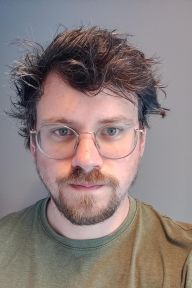
Mikel Venhovens
I am a multidisciplinary researcher with a background in conflict studies and ethnographic research. My research interests are centred around conflict dynamics regarding de-facto states in the extended sense. Broadly speaking, I am interested in how the uncertain geo-political status of de-facto states translate into the tangible everyday environment of such entities and their populations, focusing on the effects and af-fects of violent and structural conflict on people, their environment, their socio-political relationships and how it creates different pathways over longer periods of time. Lately I have been focusing on our under-standing of the concept of crisis and the tangibility of the chronicity of protracted crises. How does such a crisis look like, how does it differ and what everyday examples showcase the chronicity? My main geo-graphic focus is the post-Soviet sphere, with a specific focus on the, de-facto Republic of Abkhazia, the Re-public of Georgia and Ukraine.
More information: https://www.au.dk/en/mjh.venhovens@cas.au.dk/
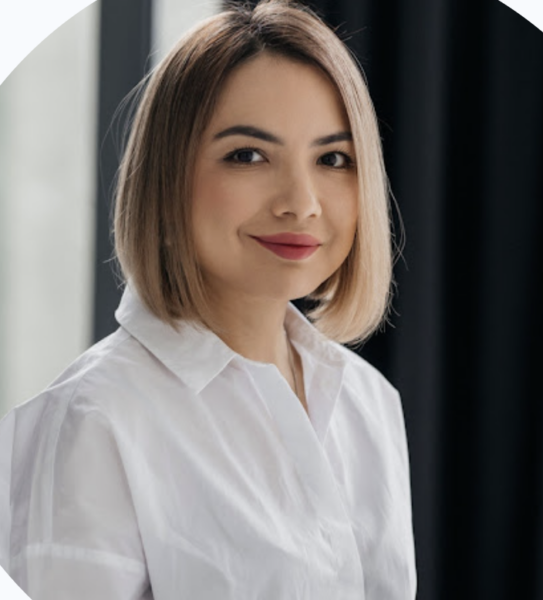
Nargiza Muratalieva
Dr. Nargiza Muratalieva works as an Associate Professor at the American University of Central Asia (AUCA), International and Comparative Politics Department (ICP). She holds a Ph.D. in Political Science and has over 15 years of experience in academic research, teaching, and media analysis. She is a former Research Fellow at Kansas University, USA and a former DAAD scholar at Carl von Ossietzky University in Germany. She also worked as editor of the CABAR.asia analytical platform at the Institute for War and Peace Reporting (IWPR) and has numerous publications in peer reviewed journals. Her research focuses on geopolitics and international relations in Central Asia
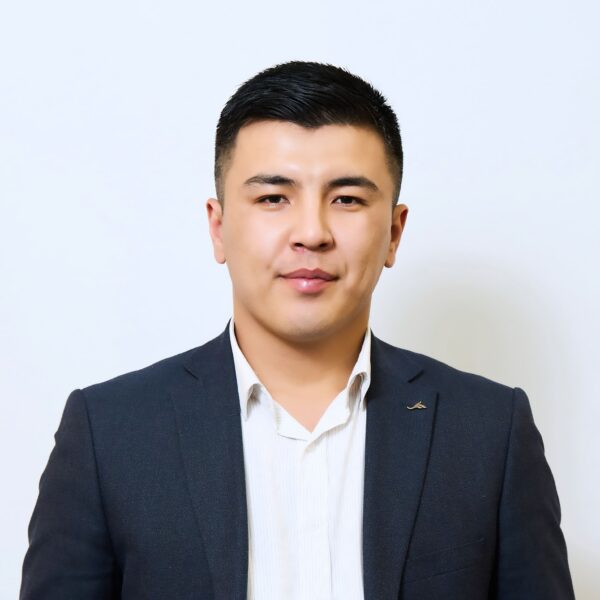
Otabek Omonov
My research interests focus on hydroecology, fish ecology, and sustainable water resource management in hydrologically dynamic mountain systems. I am particularly interested in understanding how environmental gradients and hydrological variability influence fish movement, habitat use, and population dynamics. My work also explores the ecological impacts of hydropower infrastructure and aims to develop effective mitigation measures, such as environmental flow regimes and fish passage solutions.
More information: https://hydro4u.eu/

Pawel Demchenko
My research focuses on North Eurasia in the early modern and modern periods. In particular, I examine processes of regional fragmentation and integration across Northern Eurasia, with special attention to the role of borders and infrastructure in shaping the commercial practices of borderland communities.
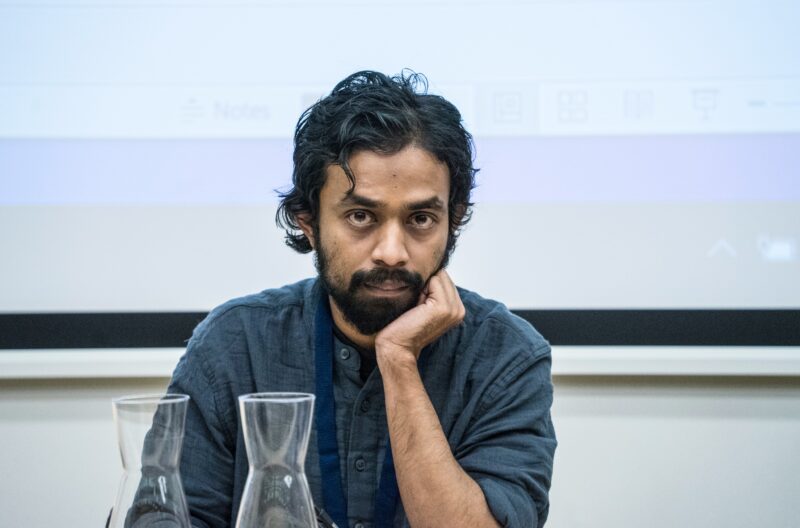
Shahdab Perumal
My research focuses on policing and bordering practices in the ocean. I do an ethnographic study in a predominantly Muslim coastal village in Malappuram, Kerala, India.
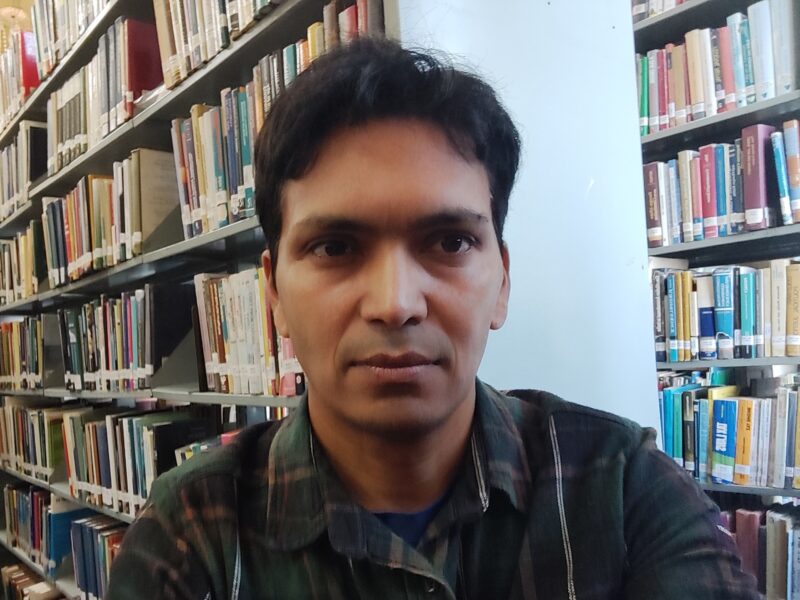
Uttam Lal
A doctorate from JNU, New Delhi and currently a faculty at Sikkim University, Gangtok. He was an Erasmus+ Mobility Programme Guest Fellow at Aarhus University, Denmark in 2018. He was also a UGC-IUC associate at the Indian Institute of Advanced Studies, Shimla and a La Trobe(Australia) Asia visiting fellow for 2024. Apart from being a regular faculty member of the Department of Geography, he is a Non-Resident Fellow at the Centre of Excellence for Himalayan Studies at Shiv Nadar University, Delhi NCR. His area of academic interest covers Himalayan Ecology, Highland social-economic dynamics and Rangeland, Borderlands Studies.
Willem van Schendel
History and anthropology of land and maritime borderlands, South and Southeast Asia.
Yaxuan Su
Yaxuan is a PhD candidate in Anthropology at the National University of Singapore. Her dissertation ethnographically explores gendered mobility, transnational kinship, and platform economies in the Vietnam-China borderlands. She is broadly interested in borders and borderlands, migration, digital media, transnational kinship, citizenship, disappearance and loss, digital ethnography, and feminist anthropology. Prior to joining NUS, she obtained her Bachelor’s degree in history from Northwest University (China) and her Master’s degree in social anthropology from the University of Edinburgh.